Getting the Most from GNSS in Construction Technology
Author
Gregory Haralambous
Category
Blog
Reading Time
Date Published
29 September, 2025
Get In Touch
Precision, efficiency and smart budget management are the pillars for any successful construction project. On-site, even slight measurement errors or layout deviations can lead to time-consuming and costly corrections. GNSS in construction, often referred to as advanced GPS for construction, has evolved from a high-tech add-on to a trusted site solution that powers efficiency and reliability.
What is GNSS Technology in Construction?
GNSS (Global Navigation Satellite System) is a collective term for all satellite positioning systems, including GPS (United States), GLONASS (Russia), Galileo (European Union) and BeiDou (China). Instead of relying solely on GPS (Global Positioning System), GNSS combines signals from multiple constellations, giving you access to more satellites at any time. This results in greater accuracy and reliability, especially in challenging environments such as dense urban areas, mountainous regions or in the proximity of tall structures where signals can be obstructed.
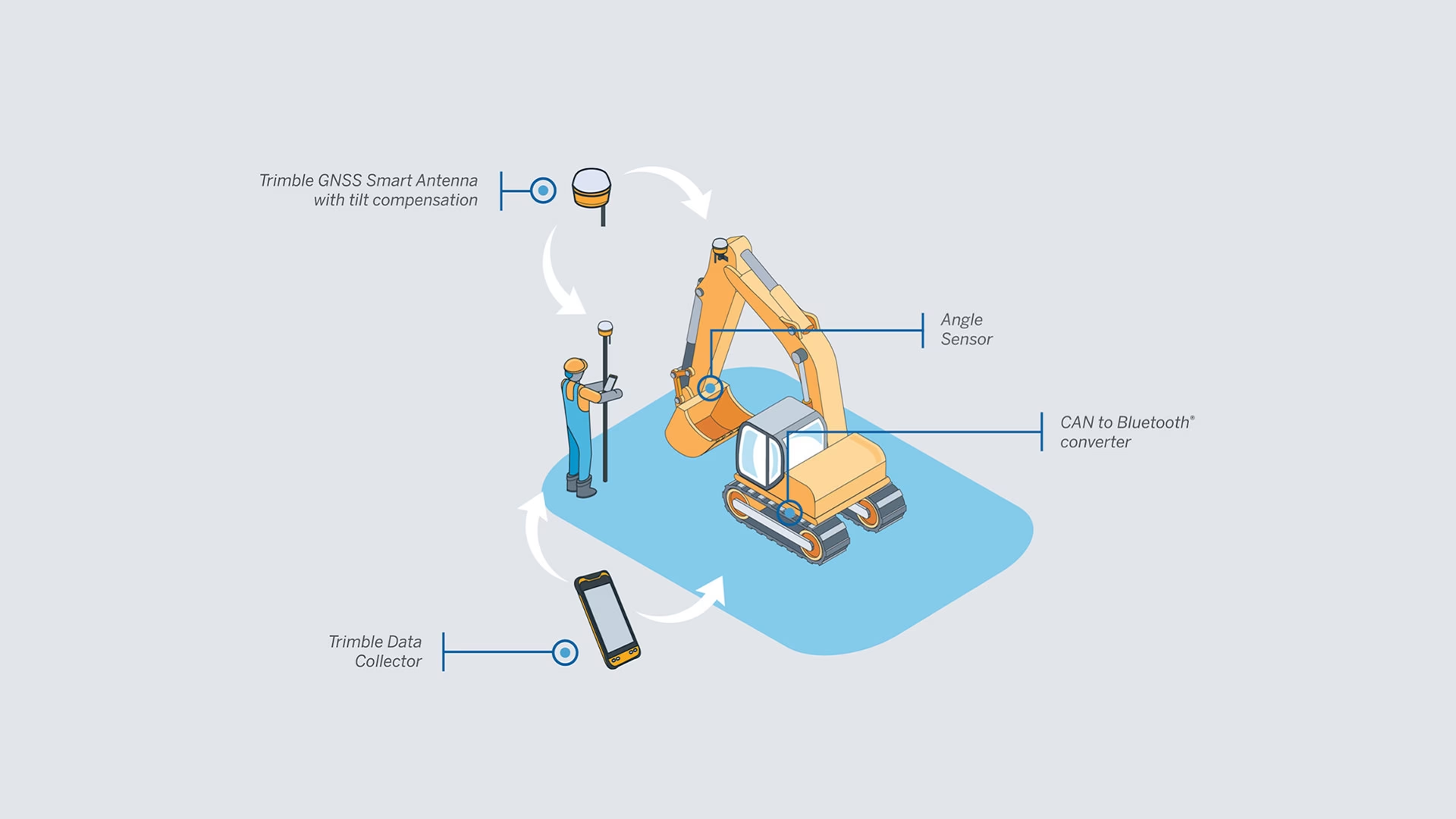
In construction, GNSS technology consists of three key components:
-
Satellites: Orbit the Earth and continuously transmit location signals used for positioning.
-
Base stations: Ground-based receivers that capture satellite signals and apply corrections for high-precision positioning.
-
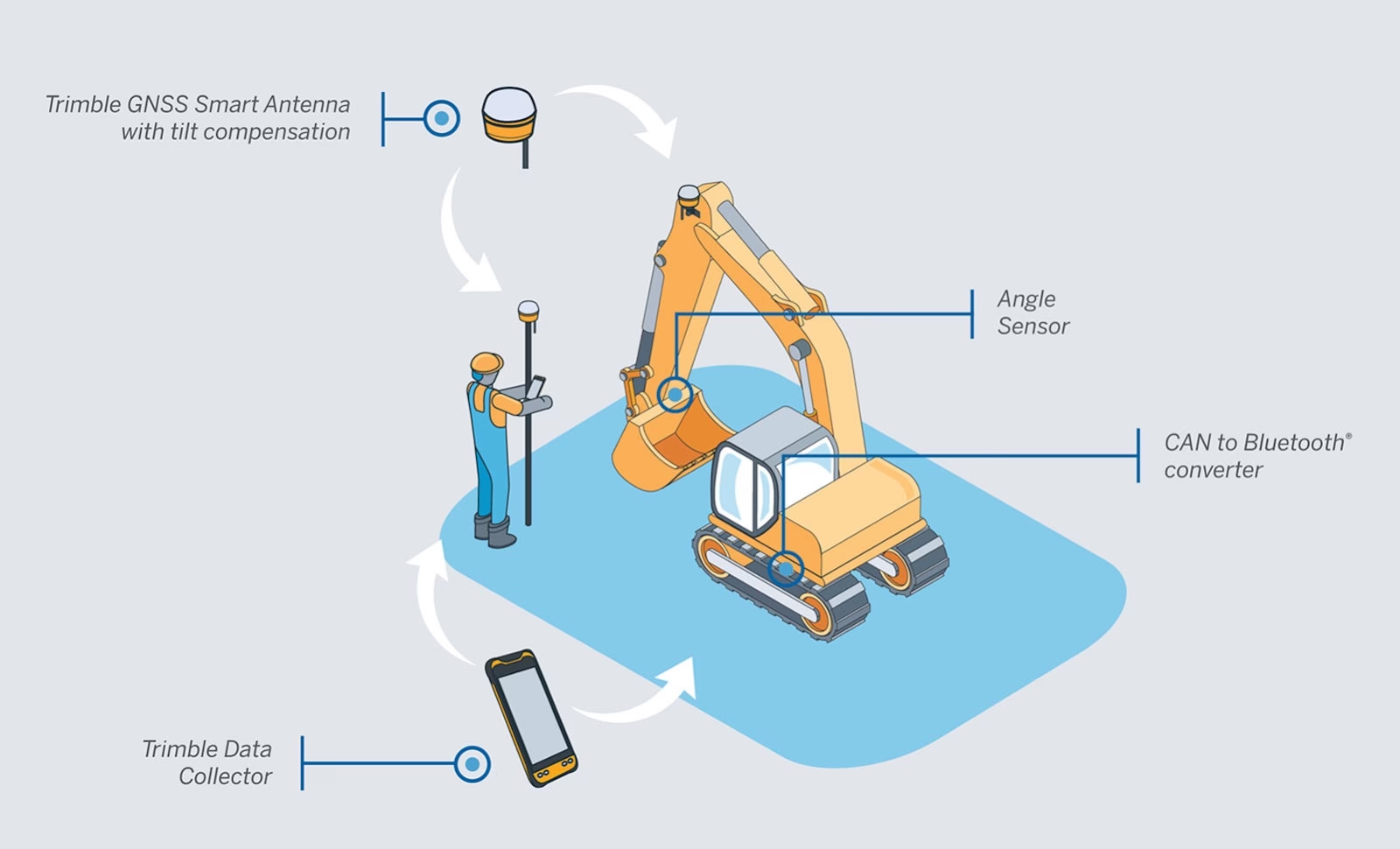
Rovers: Handheld or machine-mounted GNSS receivers used by surveyors, engineers or operators to determine precise real-time locations on-site.
When connected to advanced field software, these receivers provide centimetre-level accuracy for site positioning, stakeout, earthworks and quality control.
How to Get the Most From Your GNSS Technology
Maximising the value of GNSS in construction is achieved by using it deliberately and consistently. At SITECH SA, we bring Trimble’s GNSS solutions to South African contractors, helping them apply this technology effectively on-site.
Here is a clear, step-by-step guide to help you improve survey accuracy in every project:
1. Choose the Optimal GNSS Receiver
High-accuracy work, such as structural layout, requires centimetre precision, while general site positioning may only need sub-metre accuracy. Opt for multi-constellation receivers (such as GPS, GLONASS, Galileo and BeiDou) for maximum reliability.
2. Integrate GNSS With Your Entire Workflow
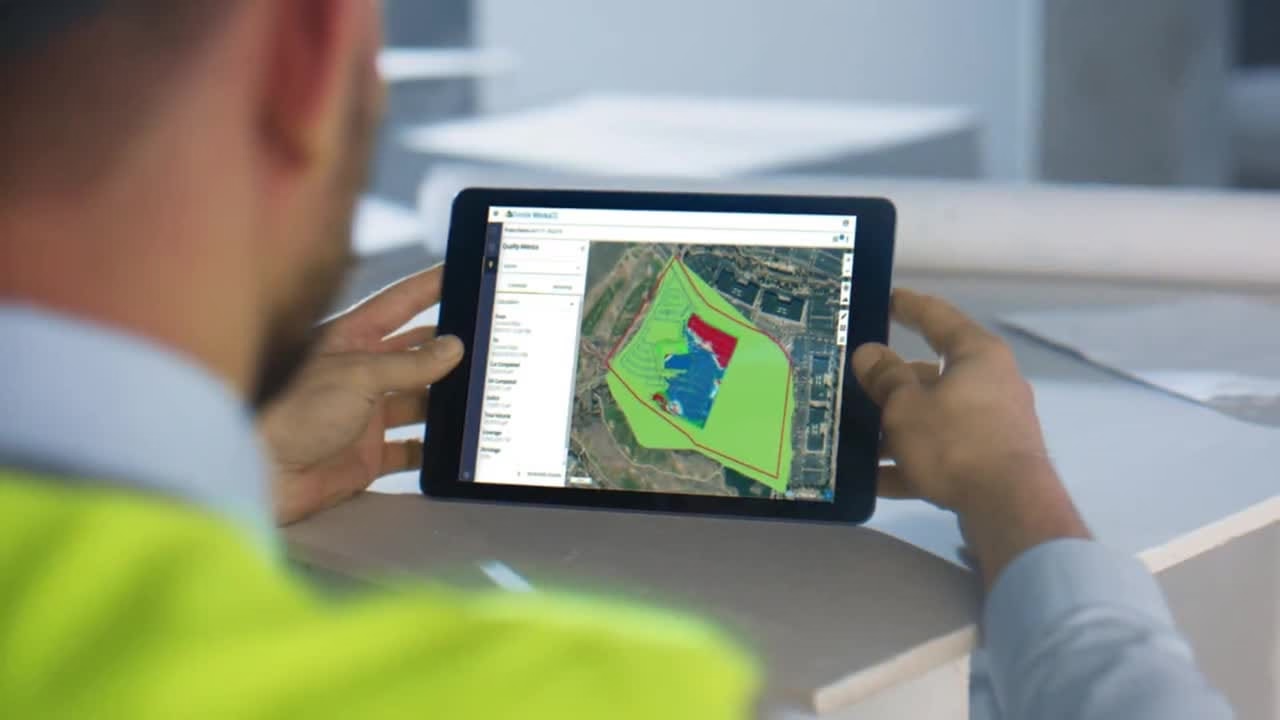
Connect your GNSS receivers to platforms such as Trimble Siteworks or WorksManager so that designs, stakeout points and as-built records are continuously updated across the team. This seamless integration ensures that data flows effortlessly between the field and office, reducing delays, avoiding rework and enabling faster, more informed decision-making.
3. Plan Around Satellite Availability
Use GNSS planning software or apps to schedule tasks, such as foundation layout or grading, when satellite visibility is optimal. With more constellations in view and favourable geometry, the receiver can calculate a reliable position with improved precision.
4. Combine GNSS With Other Positioning Tools
For areas with poor visibility, complex urban environments or heavily forested areas, pair GNSS with total stations or robotic systems to ensure dependable results and minimise positioning errors. Switching to alternative instruments in GNSS-challenged zones ensures continuity and reliability.
5. Train for Accuracy
Provide hands-on training for operators, surveyors and engineers to ensure they can set up, calibrate and troubleshoot effectively, minimising errors and downtime. Trained teams are better equipped to maximise the performance of GNSS systems and respond quickly to on-site challenges.
6. Keep Systems Updated and Calibrated
Regular firmware updates and calibration protect accuracy, especially for high-precision work, such as steel placement or concrete formwork. Updates optimise performance improvements, increase system stability and enhance compatibility with evolving satellite constellations.
7. Verify as You Go
Regularly capture and review as-built data to identify and correct discrepancies early. This ensures consistent quality, builds trust in your data and creates a clear audit trail for compliance and sign-off.
Precision in Practice: How GNSS Transforms Construction
GNSS has evolved from a specialised option to an essential, cost-saving tool for projects of all sizes. The benefits below show their real impact, namely faster layouts, greater measurement integrity, smoother workflows and less rework to keep projects aligned with design intent.
Improved Site Layout Accuracy
GNSS receivers, such as the Trimble R780 or SPS series robotic total stations, use RTK (Real-Time Kinematic) correction and multi-constellation tracking (GPS, GLONASS, Galileo, BeiDou) for centimetre-level accuracy. A single operator can stake out building corners, foundation lines, trenches, kerbs and utility connections with precision.
Faster Stakeout and Positioning
GNSS in construction accelerates the stakeout process by enabling crews to locate points instantly via satellite positioning. With Trimble Siteworks software and GNSS hardware, operators can upload the latest design models directly to field controllers, eliminating delays caused by outdated plans, miscommunication or manual data transfers.
Enhanced Survey Accuracy and Quality Control
Accurate site positioning with GNSS-enabled systems such as Trimble Siteworks Positioning Systems enables the crew to capture as-built or recorded data, compare it to the design in real-time and make immediate adjustments.
More Precise Equipment Operation
When integrated with GNSS receivers, earthmoving equipment can follow digital design files accurately, enabling precise grading, cutting and filling without the need for constant manual checks. The benefits are:
-
Faster earthworks: Complete tasks more quickly and shorten overall project timelines.
-
Reduced rework: Minimise the need for grade checks and avoid costly remedial work.
-
Material efficiency: Optimise material usage to reduce fuel consumption and lower labour costs.
-
High accuracy: Achieve precise results using Trimble GPS for construction applications.
Real-Time Data Sharing Between Office and Field
Modern GNSS systems integrate seamlessly with construction management platforms. This allows field teams to upload stakeout results, measurements and progress updates instantly, eliminating paper-based workflows and manual data entry.
Frequently Asked Questions
Whether you’re new to GNSS or looking to deepen your understanding, these frequently asked questions cover the essentials of how GNSS supports modern construction projects, its differences from GPS, and its applications in both surface and underground work.
Transform Your Site With SITECH’S GNSS Precision Solutions
With over 30 years of experience in GNSS technology, Trimble is trusted by construction professionals worldwide. Its receivers are built for accuracy, durability and seamless integration, helping contractors improve site layout, streamline operations and achieve consistent results in any environment.
If you are ready to discover how GNSS and GPS for construction can transform your next project, partner with SITECH SA for equipment, training and ongoing support.
Contact SITECH today to explore GNSS solutions built for South African construction.
Need to get in touch with us?
Complete the form and a member of our team will be in touch.
Alternatively, you can contact any of our regional offices directly using the details below.
Request a Quotation
Please complete the form and a SITECH SA representative will contact you to assist.