5 Construction Workflows Automation is Perfectly Suited For
Author
Gregory Haralambous
Category
Blog
Reading Time
Date Published
12 September, 2025
Get In Touch
In modern construction, every day on site counts. Tight deadlines, fluctuating material costs and complex designs demand faster and more accurate execution. This is where construction workflow automation steps in – streamlining repetitive tasks, connecting office and field teams and ensuring projects move forward without costly delays.
By integrating BIM (Building Information Modelling) and advanced field technology, contractors can bridge communication gaps, improve data accuracy and maintain full visibility of progress from day one. Here are five workflows where automation can deliver the greatest impact on efficiency and profitability.
1. Automated Layout
Manual layout methods require large crews, more time and are prone to human error. With robotic total stations, digital blueprints and layout automation, a single operator can mark hundreds of points in a fraction of the time. This technology not only accelerates setup but also ensures every point is placed accurately according to the most up-to-date design model, reducing delays and keeping the build on schedule.
Benefits of an automated layout:
-
Reduced crew requirements for point setting.
-
Faster point layout directly from BIM models.
-
Immediate updates to layouts when design changes occur.
Automated layout ensures that crews work from the most current plans, avoiding the risk of rework caused by outdated drawings.
2. Earthmoving and Grade Control

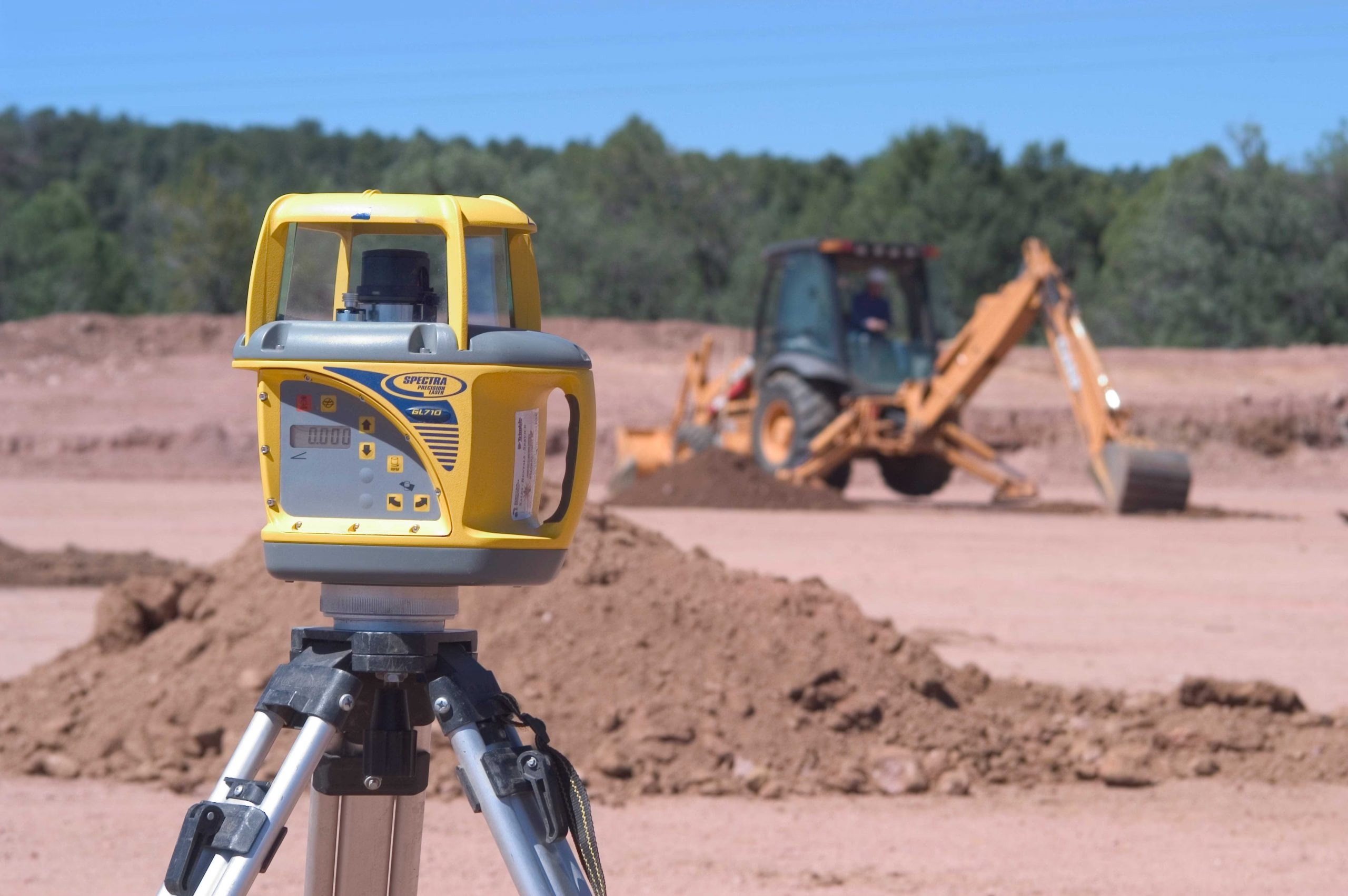
Earthworks are high-cost, high-impact phases of construction where precision is critical, as even small errors in grading can lead to drainage issues, structural problems or costly rework. By integrating GPS or GNSS machine control systems, operators can cut, fill and grade to exact design specifications without the need for constant staking.
Benefits of automated earthmoving:
-
Reduced rework resulting from on-screen guidance in the cab.
-
Faster completion times and fewer passes due to automation.
-
Consistent results that meet design tolerances.
Furthermore, automation helps reduce fuel consumption, minimise equipment wear and lower labour costs – all while keeping schedules on track.
3. Quality Assurance (QA) and As-Built Verification
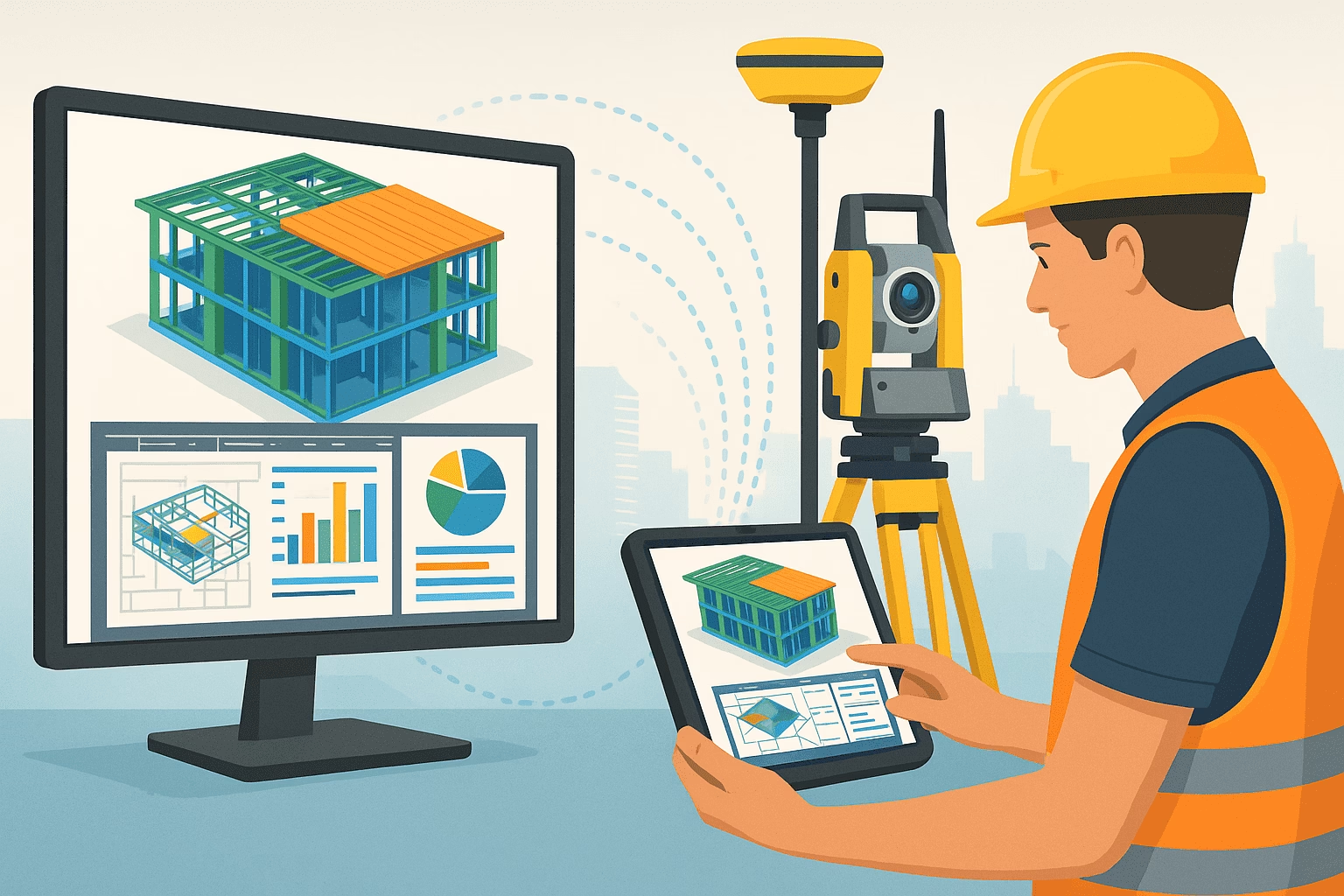
Quality control doesn’t need to slow down the build. With automated QA workflows, survey-grade scanners and mobile apps, crews can capture as-built data in real-time and compare it to design models. This instant verification enables teams to identify deviations early, make immediate corrections and maintain work alignment with specifications without waiting for manual inspections.
Benefits of automated QA and as-built verification:
-
Identifies deviations early before they escalate.
-
Speeds up sign-off from stakeholders.
-
Maintains digital records for compliance and handover purposes.
By linking QA directly to BIM, field teams can resolve issues quickly and avoid the domino effect of delayed inspections.
4. Asset Tracking and Management
From power tools to heavy machinery, keeping track of assets on large sites can be a logistical challenge. Automated asset tracking utilises RFID (Radio Frequency Identification) tags, GPS trackers and cloud-based dashboards to monitor location, usage and maintenance schedules.
Benefits of automated asset tracking:
-
Reduced losses from misplaced or stolen equipment.
-
Improved allocation of resources across multiple sites.
-
Better maintenance scheduling to minimise downtime.
With all data accessible in real-time, project managers can make more informed decisions about allocation and purchasing.
5. Progress Monitoring
Staying on top of progress is easier when automation does the heavy lifting. Tools like drones, 360° site cameras and AI-driven analytics capture visual and measurement data, delivering instant progress reports.
Benefits of automated progress monitoring:
-
Real-time visibility without waiting for manual reports.
-
Clear visual records for stakeholder communication.
-
Early identification of potential schedule risks.
When connected to BIM, progress monitoring gives the entire project team – from site supervisors to executives – a single source of truth for performance tracking.
The Power of Combination
The real power of construction workflows automation lies in integration. When automated layout, earthmoving, QA, asset tracking and progress monitoring feed into the same BIM platform, you create a seamless flow of information between the office and the field. This not only speeds up delivery but also reduces waste, improves safety and increases profitability.

Which Tasks Should You Automate?
The right choice depends on your project scope, budget and goals. Start by identifying areas where delays, errors, or high labour demands are driving up costs – such as rework from inaccurate layout, bottlenecks in quality checks or downtime from poor equipment tracking.
Once you’ve pinpointed the main pain points, focus on automation solutions that deliver quick returns and integrate seamlessly with your BIM and field systems. This creates a unified workflow where data flows smoothly, decisions are informed by real-time insights and every stage benefits from greater speed, accuracy and cost control.
Unlock the Full Power of Your Construction Projects With Sitech
If you’re ready to improve accuracy, reduce costs and deliver projects more efficiently, the next step is selecting the right technology partner.
Contact Sitech today to explore automation solutions that connect your office and field teams, enabling better collaboration and improved project outcomes.
Need to get in touch with us?
Complete the form and a member of our team will be in touch.
Alternatively, you can contact any of our regional offices directly using the details below.
Request a Quotation
Please complete the form and a SITECH SA representative will contact you to assist.