Digital Construction: Connecting Office and Site Teams for Better Outcomes
Author
Gregory Haralambous
Category
Blog
Reading Time
5 Minutes
Date Published
23 November, 2026
Get In Touch
Construction projects rarely fail due to a lack of effort. Problems arise when teams use different information, miss updates or make decisions without a full view of site activities.
As projects become larger and more connected, keeping office teams and field crews aligned is becoming increasingly important. Digital construction is helping bridge that gap by creating stronger connections between project information and the teams responsible for delivering it.
The result is improved coordination and a clearer view of project progress throughout the construction process.
What Is Digital Construction?
This term refers to the use of connected technologies and digital workflows throughout a construction project. Rather than relying on separate systems and manual information sharing, teams can work from the same information throughout different stages of delivery.
Digital construction creates a stronger link between project planning and on-the-ground execution. It helps ensure that work is carried out using current information rather than relying on disconnected processes.
It also provides a framework for integrating digital tools and project data into connected workflows that support collaboration across the project. As construction technology continues to advance, more organisations are adopting digital construction solutions to improve project management and strengthen operational efficiency.
How Connected Construction Helps Office and Site Teams
One of the biggest advantages of connected construction is that it creates greater consistency across a project. When office and construction teams work from the same data, communication becomes clearer and day-to-day activities are easier to coordinate.
By working with an experienced construction technology partner, businesses can implement connected workflows more successfully, improve field-to-office communication and build confidence in new ways of working.

1. Improving Access to Project Information
Access to current information plays an important role in successful project delivery. When teams work from outdated drawings or incomplete information, delays and errors can quickly follow.
Connected workflows ensure teams work with current information. This enables smoother project delivery and helps teams avoid unnecessary delays.
2. Creating More Efficient Workflows
Many project delays occur when information needs to be transferred manually between teams. This can create unnecessary delays and duplicated effort.
Workflow optimisation helps streamline these processes. By reducing manual handovers and repetitive tasks, teams can spend more time focusing on productive work and less time managing administrative processes.
This creates a stronger foundation for collaboration throughout the construction process.
The Role of BIM Integration and Site Data
BIM integration creates a shared digital representation of a project that can be accessed and updated by multiple stakeholders. Rather than working from isolated documents, teams can work from a common project model that reflects the latest available information.
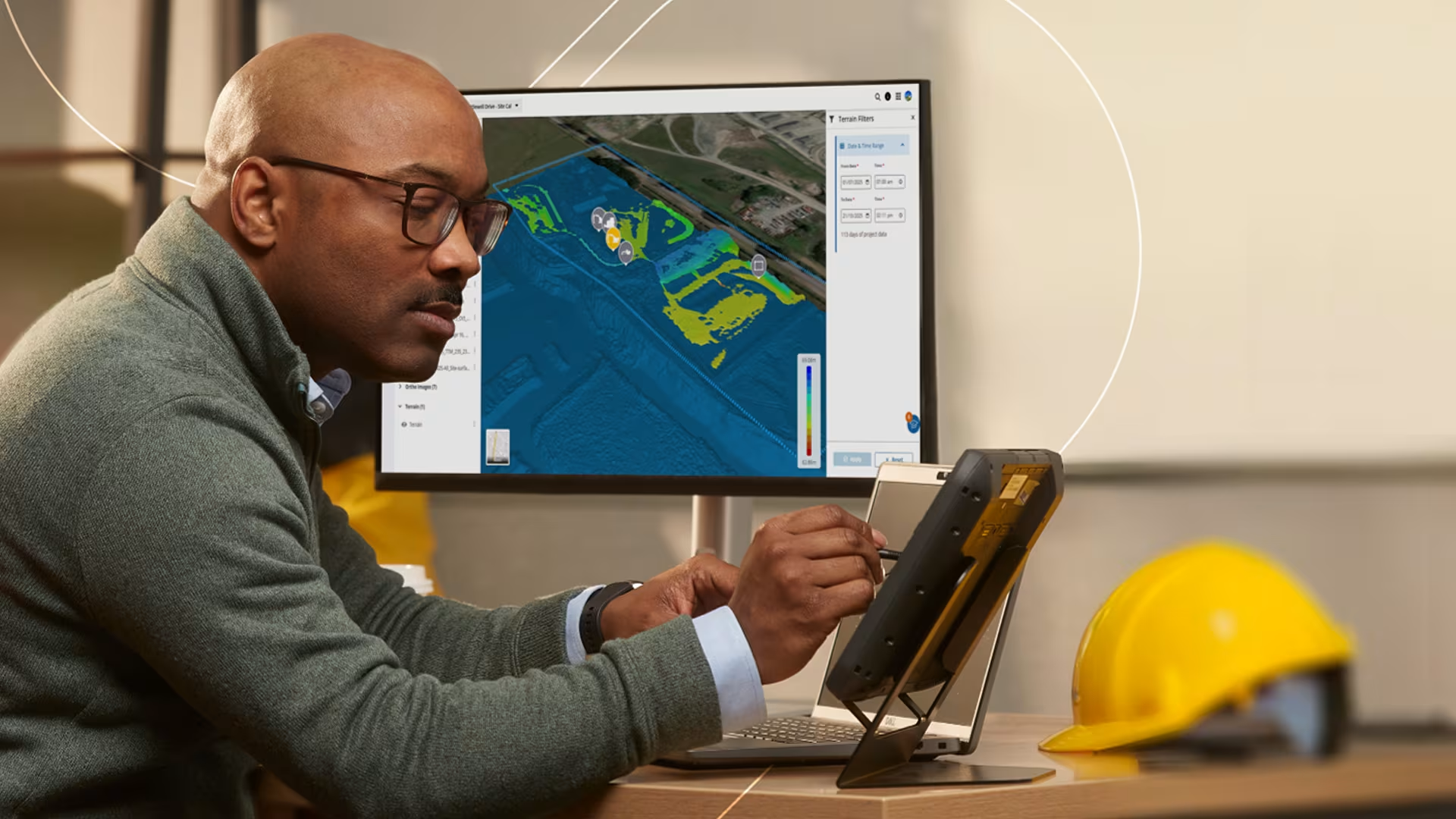
Site data collected in the field can also be incorporated into project models, helping teams compare planned work with actual conditions throughout a project. This provides greater visibility into project status and supports more informed decision-making.
Used together, project models and field data contribute to greater accuracy throughout the construction process.
This can support:
-
More accurate progress tracking to support better oversight of field activities
-
Faster responses when conditions change
-
Reduced rework caused by inconsistencies between planned and completed work
-
Greater confidence in the information used to support decisions
These capabilities support a wide range of construction activities, from infrastructure projects to large-scale civil engineering works.
Where Digital Workflows Deliver the Greatest Value
Digital construction can be applied across many areas of the construction industry. While the technology may be used differently from one project to another, the goal remains the same: creating more efficient ways to plan, measure and deliver work.
-
Infrastructure projects: Support large projects where information needs to be shared across multiple teams and work packages.
-
Road construction: Help maintain alignment between project requirements and work completed.
-
Earthworks and site preparation: Improve field data management to support more accurate execution.
-
Commercial construction: Create a clearer flow of information among project stakeholders throughout the delivery process.
-
Residential developments: Provide greater consistency across construction stages.
-
Large-scale civil engineering projects: Support the management of complex project information across extensive construction areas.
Getting the most value from connected construction technologies starts with selecting solutions that fit existing workflows and operational requirements.
Choosing the Right Construction Technology Strategy
Technology alone is not enough to deliver meaningful results. Businesses should consider how new systems will fit into existing processes and how teams will use them in practice.
Implementation, training and ongoing support can all play an important role in helping teams get the most value from their investment.
| Traditional Construction Approach | Digital Construction Approach |
|---|---|
| Information is shared manually between teams | Information is accessible through connected digital systems |
| Project updates can take longer to reach stakeholders | Real-time updates can be shared more quickly across teams |
| Progress tracking often relies on manual reporting | Digital tools provide greater visibility into project status |
| Changes may require multiple rounds of communication | Teams can respond more efficiently to project changes |
| Greater potential for rework caused by information gaps | Improved alignment between planning and execution |
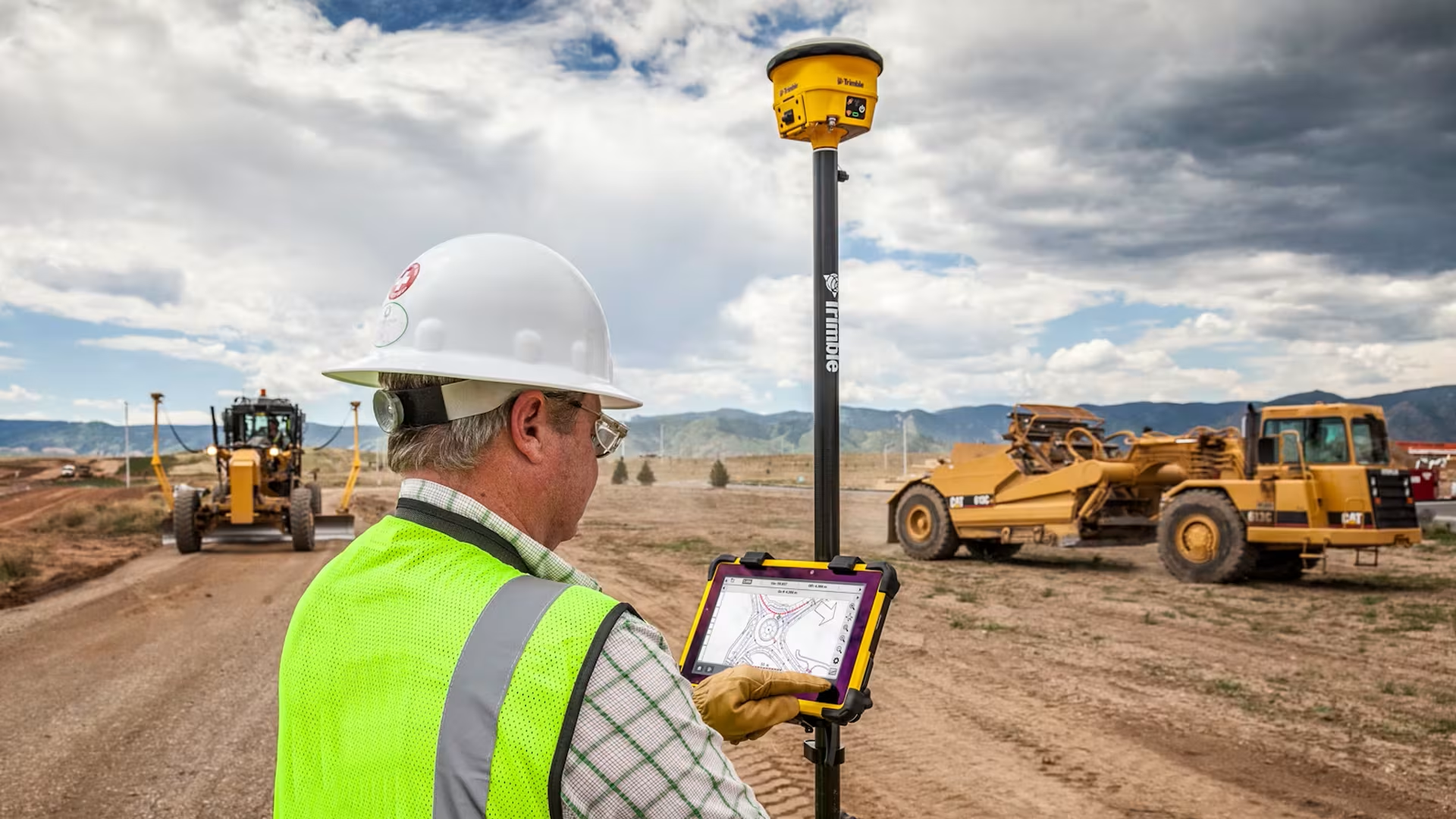
Trimble construction technology supports connected workflows between office and field teams, helping organisations build a more connected approach to construction management.
Build a More Connected Construction Workflow
Construction projects depend on reliable information and effective coordination between teams. With the right technology and support, businesses can create more efficient workflows and improve the way projects are managed from planning through to completion.
Speak to the SITECH SA team to explore solutions that support better project outcomes.
Need to get in touch with us?
Complete the form and a member of our team will be in touch.
Alternatively, you can contact any of our regional offices directly using the details below.
Request a Quotation
Please complete the form and a SITECH SA representative will contact you to assist.